


Articolo del 03/04/2026
The sacrococcygeal cyst, also known as pilonidal disease, is a far from uncommon condition, particularly among young men. Often underestimated or mistaken for a minor skin issue, it can in fact lead to severe pain, recurrent infections, and a significant impact on quality of life. Today, it is well established that this is not a congenital condition, but rather an acquired one, primarily associated with ingrown hairs in the sacrococcygeal region.
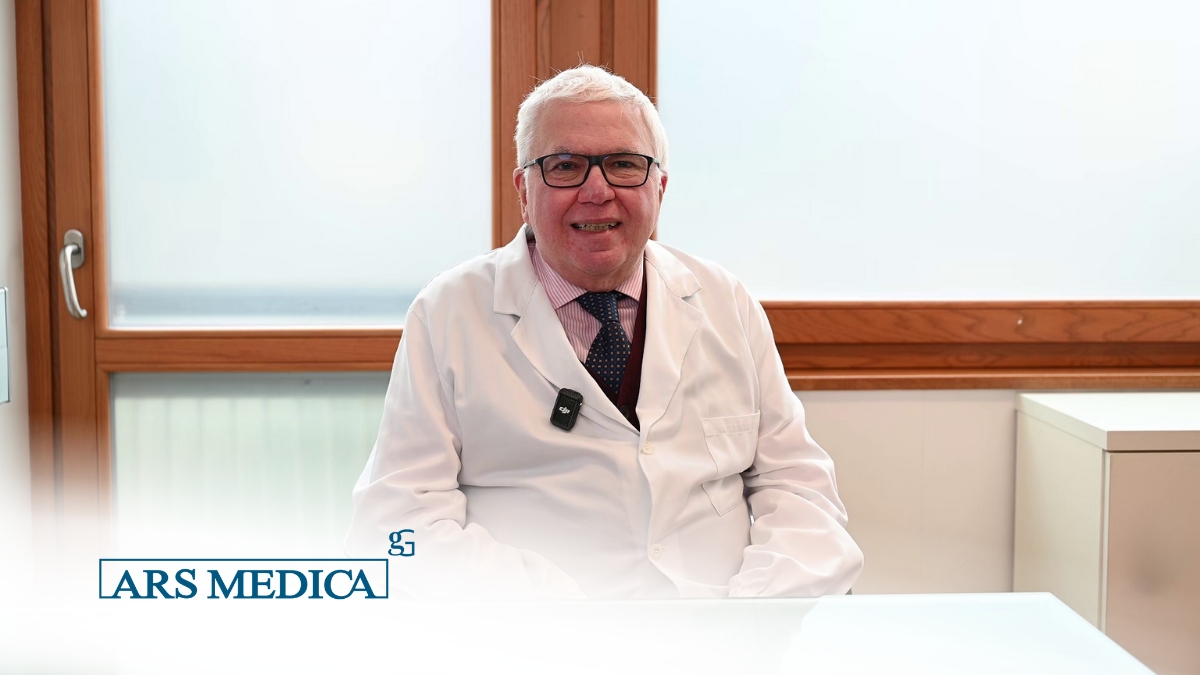
To provide clarity on its causes, prevention, and treatment options—from conservative approaches to the most advanced surgical techniques—we turn to Luigi Basso, Professor of General Surgery with particular expertise in colorectal diseases.
Pilonidal disease is now widely recognized as an acquired condition that predominantly affects males between the ages of 15 and 30. It occurs when hairs penetrate the skin in the sacrococcygeal area, leading to extremely painful infections, cyst formation, or the development of fistulous tracts. The condition most commonly arises around puberty, when hair growth increases. For this reason, one of the initial approaches is conservative management—keeping the area clean, well-cleansed, and free of hair.
Is this sufficient to control the condition?
While these measures do not cure the disease, they can help keep it under control and limit its progression.
What is the definitive treatment?
The treatment of a sacrococcygeal cyst is primarily surgical. I perform a minimally invasive technique, which involves removing only the diseased and inflamed tissue while preserving the surrounding healthy structures.
What are the recovery times after surgery?
This approach allows for a rapid recovery, avoids painful postoperative dressings, and ensures shorter, less uncomfortable healing times, with low recurrence rates. Recurrence remains one of the main challenges in treating this condition and can occur with any technique. However, when it happens after a minimally invasive procedure, it does not entail significant suffering and can be managed by repeating the same intervention.
At Ars Medica, thanks to our multidisciplinary team, patients are supported throughout their entire journey—from initial consultation to postoperative care. Our highly qualified staff provides personalized, attentive care tailored to each patient’s specific needs.