



Articolo del 15/05/2026
Thyroid Health: How and When Should You Get Tested?
Excessive fatigue, unexplained weight fluctuations, and heart palpitations: these are just a few signals our body sends when the thyroid struggles to maintain its equilibrium. Many dismiss these symptoms as the toll of stress or a frantic lifestyle; however, understanding your thyroid health is the cornerstone of a balanced life. We explore who is most at risk, the essential diagnostic steps, and how seasonal shifts—particularly in spring—can challenge our internal thermoregulation.
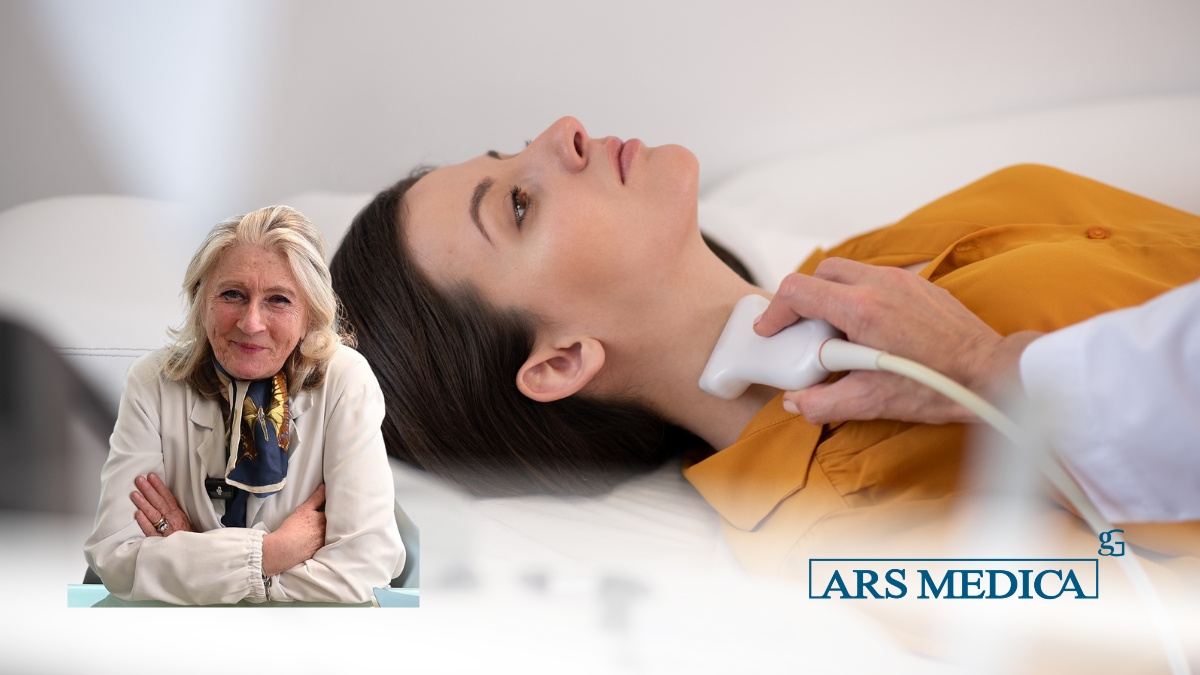
Who should have their thyroid checked, and at what point? An interview with Prof. Paola Grilli, Thyroid Specialist at Ars Medica.
“Primarily, screening is essential for individuals with a positive family history of thyroid disorders—meaning multiple family members are affected. It is also vital for those from endemic regions where thyroid conditions are more prevalent, often due to iodine deficiency. Furthermore, clinical attention is required for those exhibiting specific symptoms such as insomnia or tachycardia (an elevated heart rate). We also closely monitor patients experiencing menstrual irregularities, those currently pregnant or in menopause, children experiencing growth delays, and individuals struggling with unexplained weight gain.”
What are the essential steps for thyroid care?
“The first step is a thorough evaluation of the gland to determine if intervention is necessary. This involves measuring thyroid hormone levels and, where appropriate, anti-thyroid antibodies. A thyroid ultrasound is also performed to assess the morphology of the gland and its tissue structure. Should these assessments reveal any anomalies, we may proceed with supplementary testing or introduce a targeted treatment plan—ranging from natural supplementation to hormonal replacement therapy if clinically indicated.”
As spring arrives, our biological rhythms shift. Is the thyroid affected by the change of season?
“It is becoming increasingly rare to experience a slow, gradual seasonal transition. The thyroid is sensitive to these abrupt shifts, particularly when moving from cold to heat without a period of adaptation. The thyroid plays a key role in our thermoregulation system, and when dysfunctional, it must work significantly harder to synchronize our internal balance with the external climate.”
Does the thyroid send us signals that we shouldn’t ignore?
“The thyroid acts as a master regulator for all bodily systems and our overall metabolism. Consequently, a deficiency or excess of thyroid hormone will lead to alterations across various systems, though not every organ is necessarily affected simultaneously. The most frequent red flags include fatigue, a sensation of bloating, weight gain, insomnia, palpitations, hair fragility, and mood swings. Each of these can be a clear indicator of thyroid dysfunction.”