



Articolo del 15/12/2025
Which health check-ups should each of us undergo even in the absence of symptoms?
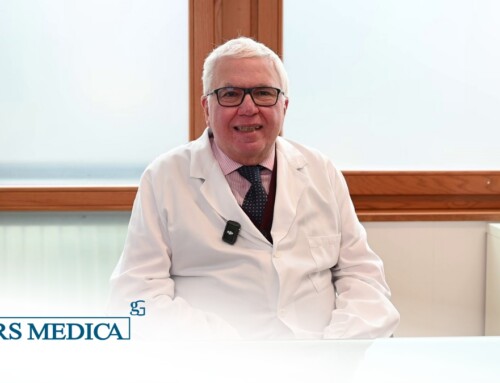
Today we discuss this with Dr. Atos Gentile, Medical Director of Ars Medica Clinic and a specialist in internal medicine and geriatrics.
Several blood tests are recommended and should be repeated periodically, including measurements of vitamin D, blood calcium, phosphorus, alkaline phosphatase, and urinary calcium. Creatinine levels are also advised in order to assess kidney function.
It is well known that patients with kidney failure are prone to osteoporosis. For this reason, testing TSH—the hormone that evaluates thyroid function—is also important, as hyperthyroidism is associated with osteoporosis.
How important is it to consult an internist, and why?
The periodic evaluations we undergo are known as check-ups, which are often mistakenly self-managed by patients or, just as incorrectly, organized by companies that provide routine screenings for their employees based on non-personalized protocols.
These check-ups are generally based on gender—whether you are male or female—and sometimes on age. After completing these tests independently, patients often undergo an electrocardiogram, CT scans, bone density scans, or MRI exams. They then consult an internist, who is expected to summarize the results and assess what has emerged from these evaluations.
However, check-ups should follow the opposite approach. The patient should first be examined by an internist, who conducts a thorough medical history and a comprehensive physical examination. Based on this assessment, the physician can then determine which tests are truly necessary for the patient.
Where Does Osteoporosis Prevention Begin?
In cases of primary osteoporosis—which mainly affects older adults and postmenopausal women—prevention is essentially based on three key pillars.
A healthy lifestyle, including regular physical activity aimed at strengthening muscle tone.
Proper nutrition, which should be rich in foods containing vitamin D and calcium. Vitamin D is found primarily in salmon, oily fish such as herring and mackerel, egg yolks, milk, and mushrooms. Calcium-rich foods include aged cheeses, milk and dairy products, leafy green vegetables, legumes such as beans and chickpeas, fish—again particularly salmon and sardines—and nuts.
Sun exposure, as vitamin D synthesis is enhanced through exposure to sunlight. For people with lighter skin, 20–25 minutes of sun exposure per day is recommended, while those with darker skin may require 40–45 minutes. Simple activities such as walking outdoors or sunbathing on a terrace are sufficient, preferably during the warmest hours of the day, between 11 a.m. and 3 p.m.
Which check-ups do you recommend?
When osteoporosis is suspected, recommended tests include a DEXA scan (dual-energy X-ray absorptiometry) to measure bone mineral density, along with blood tests assessing vitamin D, calcium, phosphorus, alkaline phosphatase, urinary calcium, and creatinine, as patients with kidney failure are often osteoporotic. Measurement of pituitary TSH is also important, since hyperthyroidism is frequently associated with osteoporosis.
These evaluations should be complemented by various specialist consultations. Osteoporosis is a multifaceted condition that may involve a rheumatologist for bone and rheumatic diseases, an orthopedist for fractures, a physiatrist for rehabilitation, an endocrinologist for the diagnosis and treatment of bone metabolism disorders, a geriatrician since elderly patients often suffer from both sarcopenia and osteoporosis, a gynecologist for postmenopausal women, and a nephrologist in cases of kidney failure.
The role of the internist is essentially to collect and coordinate the input of these different specialists, ensuring a comprehensive and balanced approach while avoiding excessive or unnecessary medications, which can become a separate and potentially dangerous issue for the patient.