



Articolo del 29/07/2026
We often associate rheumatology strictly with aging or temporary discomfort caused by the weather. In reality, this medical specialty addresses a complex universe of over 150 conditions affecting the musculoskeletal system, connective tissues, and in many cases the entire body through inflammatory or autoimmune mechanisms.
From joints and muscles to tendons and bones, the rheumatologists at our clinic are dedicated to deciphering subtle, often elusive symptoms to restore our patients’ quality of life.
Among these conditions, one of the most prevalent, yet still widely misunderstood, is fibromyalgia.
What is fibromyalgia, and what are the main warning signs?
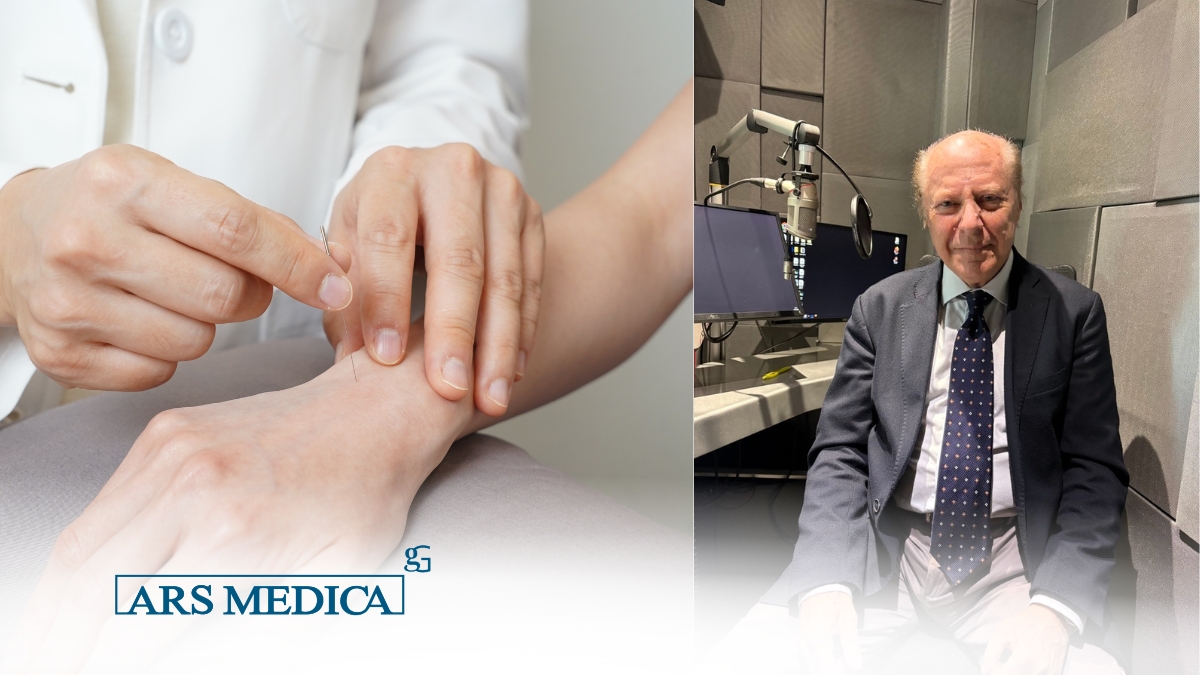
We discussed this with Prof. Lorenzo Altomonte, Professor at the Università Cattolica del Sacro Cuore and Specialist in Rheumatology at Clinica Ars Medica.
“Fibromyalgia is an extremely common condition, yet one that remains difficult to fully understand. Currently in Italy, approximately 3 million people suffer from it the vast majority being women (roughly 2.5 million women compared to 500,000 men).
It presents a fairly distinct clinical picture, characterized by the onset of widespread, chronic joint and muscle pain that is not localized to a single area. Patients also experience poor-quality, unrefreshing sleep and profound daytime fatigue. It is a deeply debilitating illness.
During a physical examination, we look for specific hyper-sensitive areas known as tender points (classically 18 in total). Evoking pain at these points, combined with the symptoms reported by the patient, serves as a crucial diagnostic criterion.”
Can it be prevented, and what actionable steps can someone with fibromyalgia take?
“From a non-pharmacological standpoint, the primary goal is to minimize chronic stress, which plays a fundamental role in underlying the condition.
Pharmacologically, we focus on symptomatic relief: helping the patient achieve better sleep, improving muscle tone and endurance, elevating mood, and alleviating discomfort through pain relievers, anti-inflammatories, or medications designed for neuropathic pain. The key takeaway is that it can be managed and treated effectively.”
Rheumatoid arthritis is frequently confused with everyday joint pain. What sets it apart, and what early symptoms shouldn’t be ignored?
“Rheumatoid arthritis is an inflammatory joint disease with an autoimmune pathogenesis, driven by autoantibodies produced against the body’s own joints.
Standard joint pain, on the other hand, is most commonly tied to osteoarthritis—by far the most widespread rheumatic condition. Osteoarthritis is characterized by mechanical pain and an absence of systemic inflammation. Rheumatoid arthritis is distinguished by inflammatory pain: joints become swollen, tender to the touch, slightly reddened, and the symptoms typically present symmetrically and bilaterally across the body.
It is quite common—around 300,000 people in Italy currently live with it, predominantly women. The inflammatory nature visible during a clinical evaluation and confirmed through blood tests is what differentiates it from osteoarthritis, which is a degenerative disease with normal blood markers and no clinical signs of acute inflammation.”
If diagnosed early, how can rheumatoid arthritis be treated to limit its impact?
“Because the condition is driven by autoantibodies attacking joint tissue, treatment relies on anti-inflammatory or corticosteroid therapy (along with non-steroidal anti-inflammatories), paired with disease-modifying immunosuppressive therapies to curb the production of these harmful antibodies. Once the initial joint inflammation is subdued, these immunosuppressants serve as the cornerstone therapy to keep the disease in remission.
Today, we have access to various classes of treatments, ranging from traditional immunosuppressants to modern, highly targeted biologic therapies. Effective treatment options absolutely exist.”