


Articolo del 28/10/2026
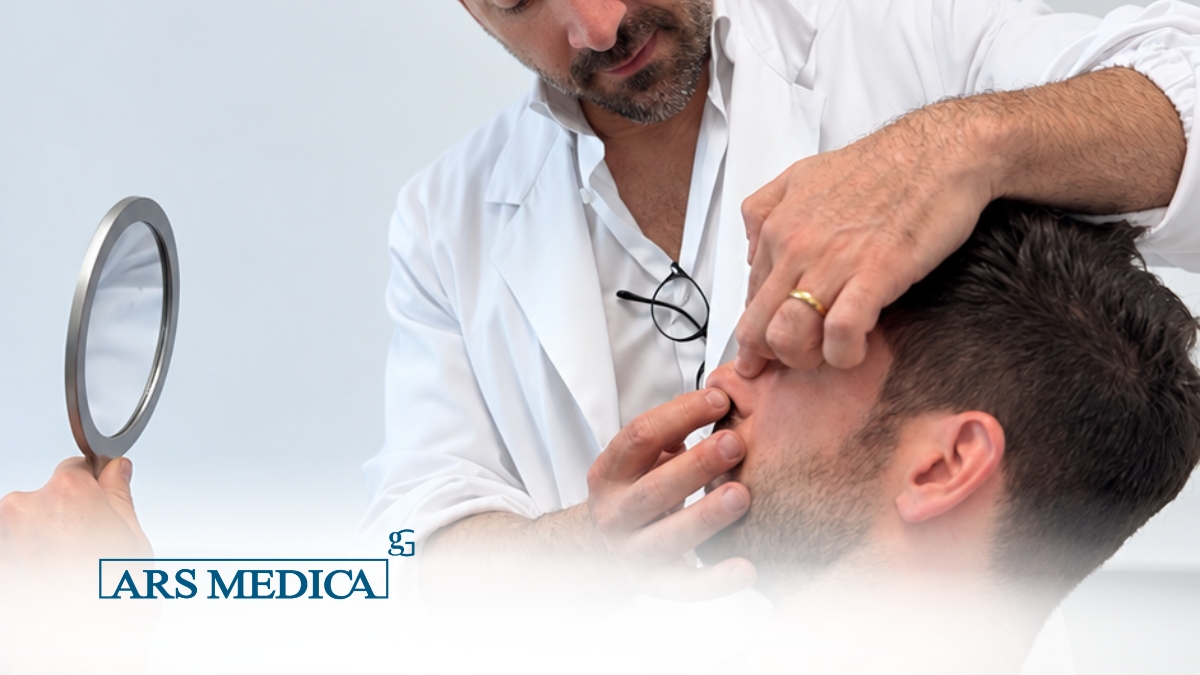
The nose is the focal point of the face. When its shape or proportions leave us dissatisfied—or when breathing difficulties disrupt our daily lives—rhinoplasty offers an ideal solution to restore facial harmony and overall well-being.
However, embarking on this journey often brings up questions, concerns, and curiosity. To clear up uncertainty and help you make an informed decision, we gathered expert insights from Dr. Enrico Foresta, a maxillofacial surgeon and rhinoplasty specialist at the Clinic.
The Ars Medica Approach: Natural Harmony and Optimal Functionality
“A successful rhinoplasty doesn’t alter your face completely—it enhances it. The secret lies in achieving a result so natural that it appears innate, while simultaneously ensuring effortless breathing.” — Dr. Foresta
At Ars Medica Clinic, rhinoplasty is never treated as a standardized procedure, but rather as a highly personalized work of micro-sculpting. Dr. Foresta’s goal is to harmonize the nose with each patient’s unique facial features, strictly avoiding a “fake” or cookie-cutter look.
Rhinoplasty FAQs: Expert Answers from Dr. Foresta
1. Is rhinoplasty surgery painful?
Dr. Foresta: “This is the most common myth we need to debunk. Modern rhinoplasty is not a painful procedure. During the first 24 to 48 hours, patients typically experience a feeling of nasal congestion—very similar to a heavy cold.”
2. Is it true that nasal packing is a nightmare?
Dr. Foresta: “Thanks to the advanced surgical techniques used at Ars Medica, the use of traditional, uncomfortable nasal packing is completely avoided or kept to an absolute minimum in the vast majority of cases.”
3. How long is the recovery, and when can I return to my social life?
Dr. Foresta: “Most patients resume their normal work and social routine after roughly 7 to 10 days, which is when the small external splint is removed. Bruising and swelling fade rapidly within the first two weeks, though the final result fully settles over 6 to 12 months.”
4. What is the difference between Rhinoplasty and Septorhinoplasty?
Dr. Foresta: “Rhinoplasty focuses primarily on the external aesthetic structure (such as a dorsal hump, tip shape, or nose width). Septorhinoplasty combines cosmetic refinement with functional correction (such as repairing a deviated septum or turbinate hypertrophy), allowing patients to breathe comfortably again.”
5. Can I preview the expected result before surgery?
Dr. Foresta: “Absolutely. During the initial consultation at Ars Medica, we use digital simulation tools to evaluate potential outcomes together with the patient. This open dialogue is essential for aligning expectations and designing a tailored surgical plan.”
Dr. Foresta’s Post-Operative Care Tips
To ensure a smooth, speedy recovery, Dr. Foresta recommends:
-
-
Sleep with your head elevated: Resting on two pillows for the first few nights helps minimize swelling.
-
Avoid strenuous exertion: Hold off on high-intensity workouts and heavy exercise for at least 3 to 4 weeks.
-
Be cautious with eyewear: Avoid resting eyeglasses or sunglasses directly on the bridge of your nose for the first month.
-
Use sun protection: Shield your facial skin from UV rays to prevent post-surgical hyperpigmentation.
-
I consigli del Dott. Foresta per il Post-Operatorio
Per garantire una guarigione rapida e senza intoppi, il Dott. Foresta raccomanda:
- Riposo a testa sollevata: Dormire con due cuscini per le prime notti aiuta a ridurre il gonfiore.
- Evitare sforzi intensi: Sospendere l’attività sportiva pesante per almeno 3-4 settimane.
- Attenzione agli occhiali: Evitare di poggiare occhiali da vista o da sole sul dorso nasale per il primo mese.
- Protezione solare: Proteggere la pelle del viso dai raggi UV per prevenire macchie cutanee.