



Articolo del 28/10/2026
When a urologist or general practitioner orders this test due to elevated PSA levels or routine check-ups, it is completely natural to have questions and hesitations. To better understand how the scan works, how to prepare, and where to get a multiparametric prostate MRI to ensure maximum diagnostic accuracy, we spoke with Dr. Armando Fusco, a specialist at Ars Medica Clinic.
What Exactly Is a Multiparametric Prostate MRI? What Should Patients Know Beforehand?
We discussed this with Dr. Armando Fusco, Head of Diagnostic Imaging at the Clinic:
“Multiparametric Magnetic Resonance Imaging (mpMRI) currently represents the clinical gold standard in prostate imaging. It is called ‘multiparametric’ because it evaluates multiple parameters of prostate tissue simultaneously: its anatomy, cellular density, and vascularization. This enables us to identify and characterize even tiny lesions with extreme precision, clearly distinguishing healthy tissue from areas requiring further investigation.”
What Advice Do You Give Patients Asking Where to Get a Multiparametric Prostate MRI?
“A patient undergoing this scan should look for a facility that guarantees two essential elements: high-field technology (such as 1.5 Tesla or 3 Tesla scanners) and a radiology team with dedicated urological expertise. At Ars Medica Clinic, we utilize state-of-the-art technology to capture ultra-high-definition images, which are essential for precise reporting based on the international PI-RADS system.”
What Are Patients’ Most Common Questions and Concerns After Being Prescribed This Scan?
1. Is the procedure invasive? Are internal probes still used?
“This is one of the primary concerns patients have, but I can reassure everyone: modern mpMRI requires no endorectal probe whatsoever. We use external surface coils placed comfortably over the patient’s abdomen. The procedure is entirely painless and non-invasive.”
-
2. Is contrast dye always necessary?
“In most standard prostate imaging protocols, yes. Assessing vascularization via contrast enhancement provides critical information regarding the nature of any detected lesions. For this reason, we require patients to provide recent blood test results—specifically creatinine to assess kidney function—prior to administering the contrast agent.”
3. How long does the scan take, and what should patients expect during the procedure?
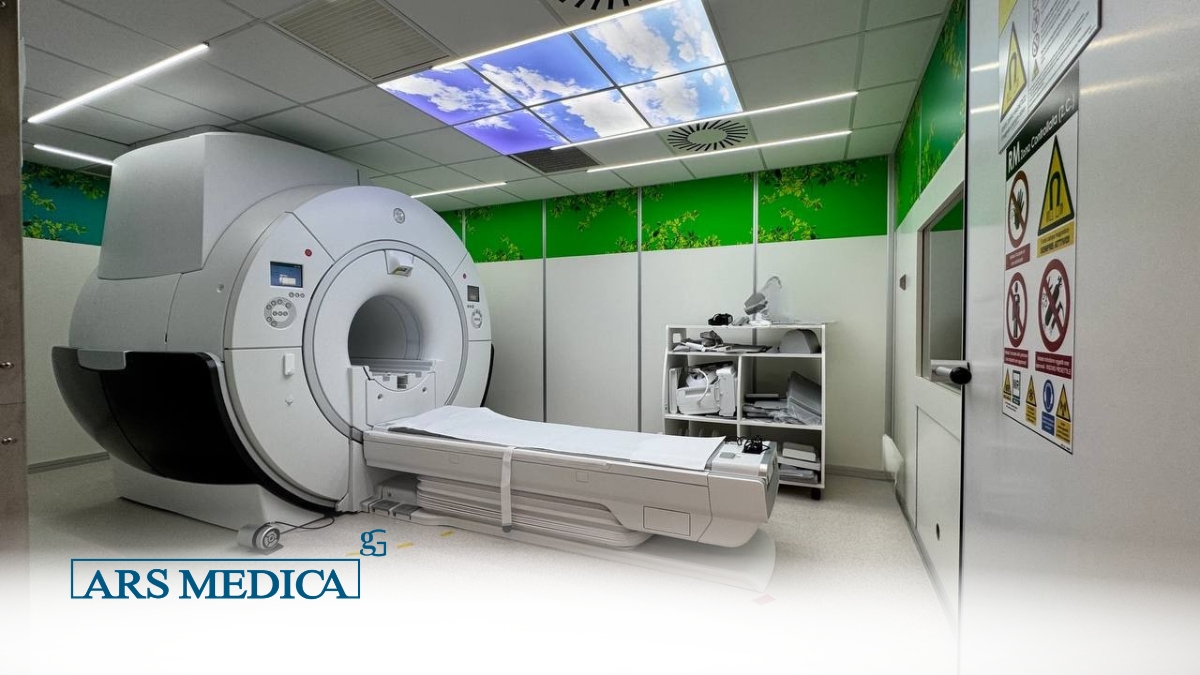
“Image acquisition takes approximately 25 to 35 minutes. Throughout the scan, the machine produces a rhythmic knocking noise, which is effectively minimized by the noise-canceling headphones provided. Patients remain in constant communication with our medical team at all times.”
4. How should patients properly prepare for the scan?
“Proper preparation is crucial to image quality. A simple cleansing micro-enema on the morning of the exam reduces intestinal gas, ensuring optimal visualization of the prostate.”