


Articolo del 07/05/2026
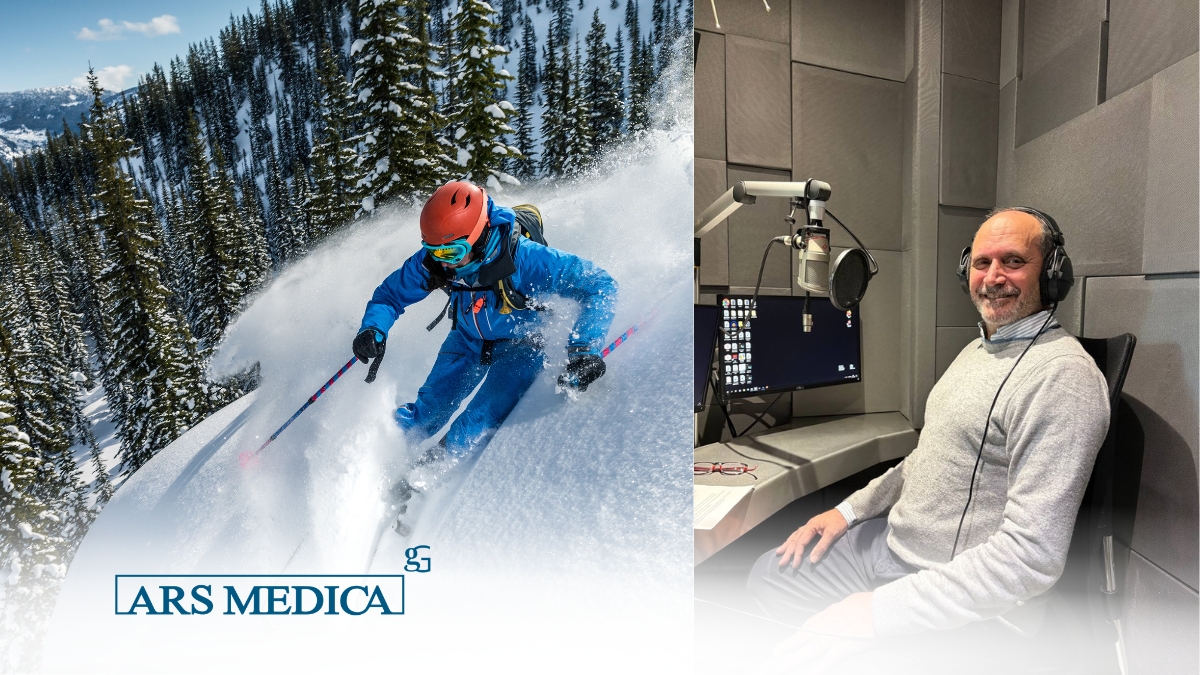
The winter season brings with it the undeniable allure of the mountains, pristine slopes, and invigorating days in the open air. However, alongside the thrill comes an inherent risk of injury—whether on skis or a snowboard. Physical preparation, appropriate gear, and an acute awareness of one’s own limitations can represent the thin line between a perfect day and a significant trauma.
To explore this further, we spoke with an expert intimately familiar with elite sports medicine: Dr. Mauro Anzini. An orthopedic surgeon and former physician for the Italian National Ski Team, Dr. Anzini currently leads the Trauma Center, a premier hub for managing athletic injuries. From preventative measures to the correct protocol following a tumble—and the vital importance of a prompt diagnosis at specialized facilities like Clinica Ars Medica—here is everything you need to know to enjoy the snow safely.
Minimizing Risk on the Slopes
Doctor, ski-related injuries are notoriously common. Having served as the physician for the National Team, could you advise us on how to reduce the risk of trauma during these activities?
“Absolutely. The first pillar of safety is proactive physical conditioning. In the weeks leading up to your trip, it is essential to engage in specific training focused on muscular strengthening, balance, and joint mobility, with a particular emphasis on the lower limbs.
Equally fundamental is the quality of your technical equipment. Boots must be snug and properly fitted to enhance tactile sensitivity, while bindings must not be set too tight; if they fail to release during a fall, the risk of severe lower-limb trauma increases significantly.
Finally, situational awareness is key: always select runs that match your technical proficiency. Do not venture onto expert terrain without the necessary skills. Most importantly, listen to your body and stop when fatigue sets in. The risk of injury rises sharply as the day wanes or toward the end of a long ski week when exhaustion peaks.”
Immediate Post-Fall Protocol
What should one do in the event of a sudden fall?
“Following a fall, the priority is a self-assessment of your symptoms—the primary indicator being pain. If you experience acute pain in a specific area, avoid moving that part of the body. Gently gauge your mobility to see if you can remain active; if not, remain still and signal for assistance. If the pain is manageable, move very slowly, return to your feet, and cautiously determine if you are fit to continue skiing.”
The Importance of Expert Diagnosis
Doctor, when a patient arrives at your clinic following an accident, what are the first critical steps you take to assess the severity of the situation?
“The diagnostic process always begins by reconstructing the ‘mechanism of injury’—understanding exactly how the fall occurred. I ask the patient to describe their sensations at the moment of impact: where the pain was localized and whether they noticed specific signs, such as an audible ‘pop’ or snap.
This is followed by a comprehensive physical examination to identify clinical markers of trauma and determine their extent. Only once a diagnostic hypothesis is formed do we proceed to advanced imaging—such as X-rays, MRIs, or CT scans—to confirm our clinical findings.”
Why is it essential to seek care at a multidisciplinary facility like Ars Medica?
“It is crucial to turn to a center that possesses both the specialized expertise and the advanced technology required for immediate diagnostic testing. This multidisciplinary approach ensures a swift, accurate diagnosis, which is the prerequisite for effective treatment and a successful recovery.”